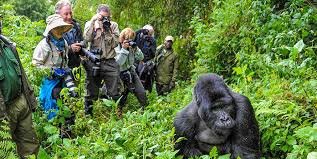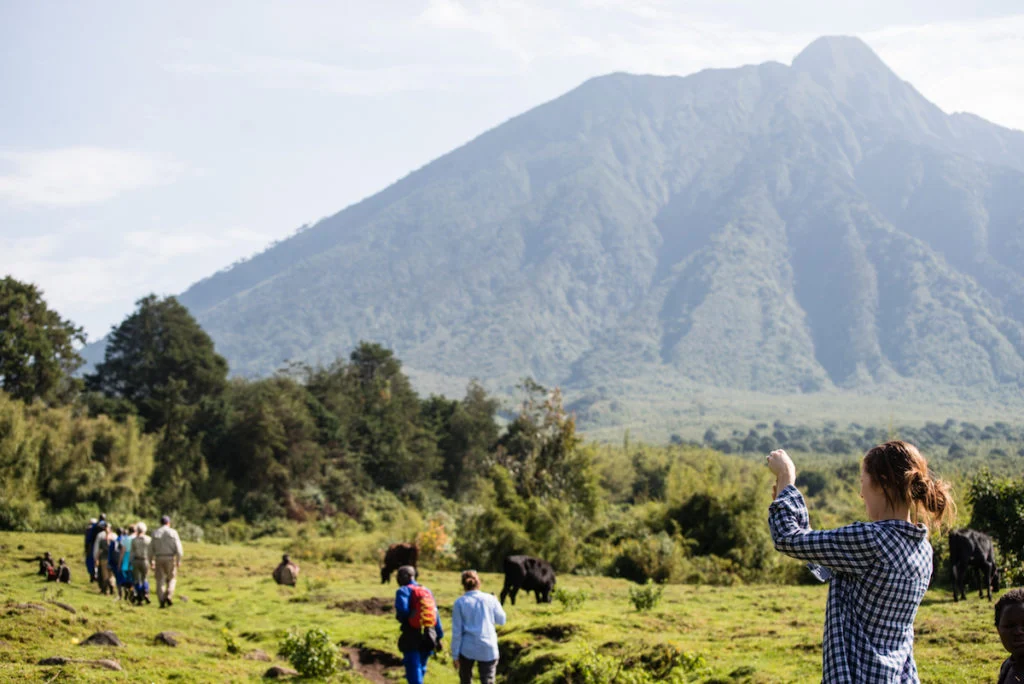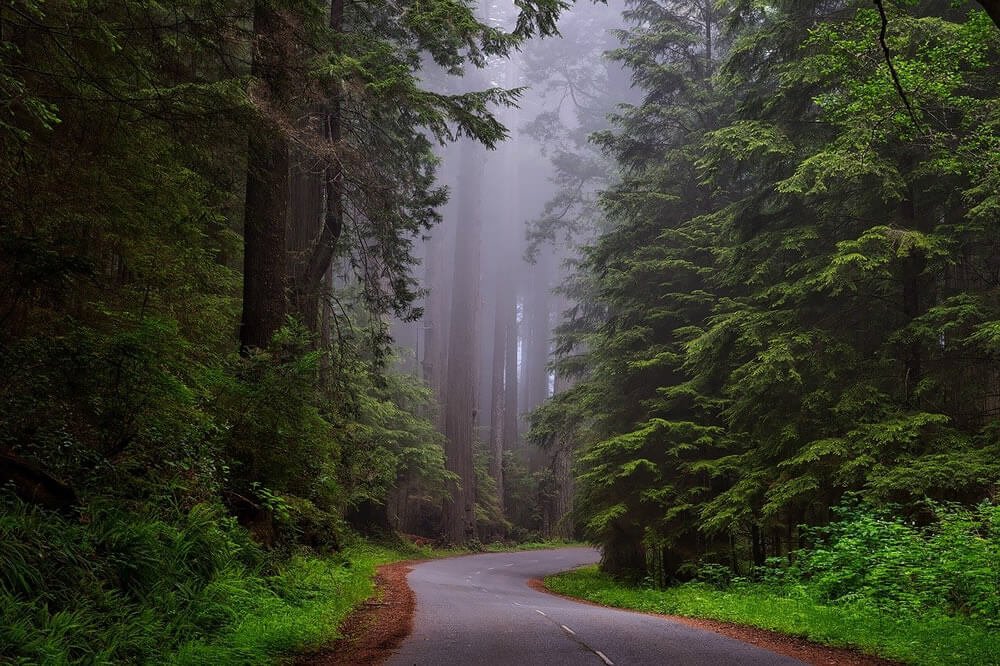
Rwanda, known as the “Land of a Thousand Hills,” is not just celebrated for its stunning landscapes and mountain gorillas — it is also a global success story in environmental conservation. After years of deforestation challenges, Rwanda has embarked on an ambitious journey of reforestation and forest protection. Today, new forest parks are emerging as eco-tourism hotspots, offering travelers the chance to explore lush greenery, vibrant wildlife, and community-led conservation projects.
In this blog, we’ll take you through Rwanda’s inspiring reforestation journey and highlight the new and revitalized forest parks you should visit.
🌳 Rwanda’s Reforestation Story
After the 1994 Genocide against the Tutsi, Rwanda faced enormous environmental challenges. Forests had been heavily cleared, biodiversity was at risk, and soil erosion threatened farmlands. In response, the government committed to restoring forests, with an ambitious goal: 30% forest cover by 2030.
Fast-forward to today, Rwanda is already ahead of schedule, with forest cover now at over 30%. Through tree-planting initiatives, community forestry, and strict conservation laws (like the ban on plastic bags), Rwanda has become a model for green growth worldwide.
🌲 Forest Parks Worth Visiting
1. Gishwati-Mukura National Park
Once heavily degraded by farming and logging, this park is a true symbol of Rwanda’s reforestation success. Declared a national park in 2015, Gishwati-Mukura is now a thriving forest home to:
-
Chimpanzees 🐒
-
Golden monkeys
-
More than 230 bird species
Visitors can take guided hikes, birdwatch, or meet local communities involved in forest restoration projects.
2. Nyungwe Forest National Park
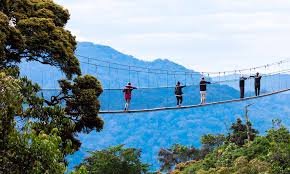
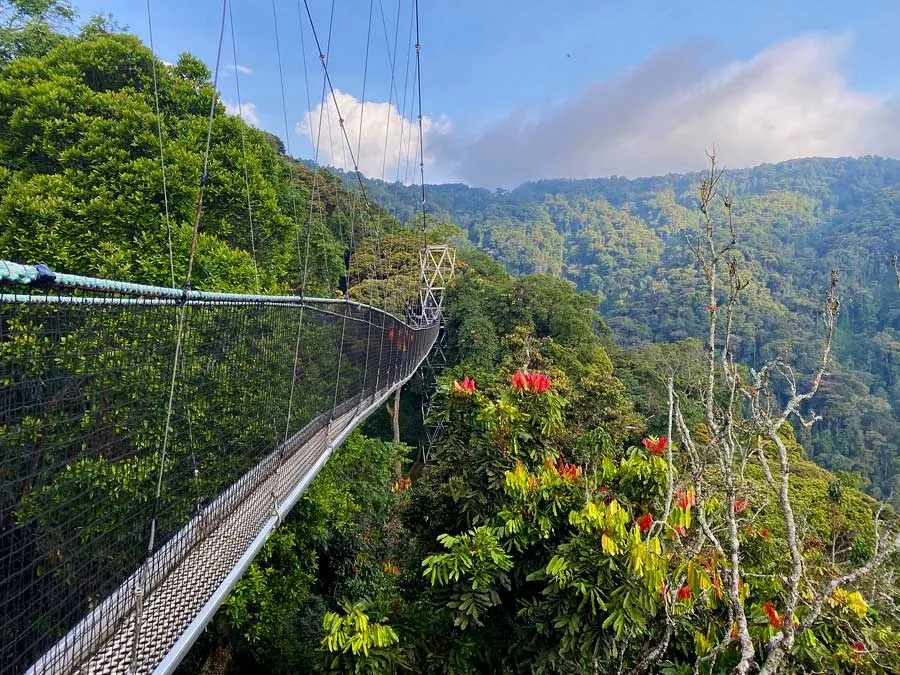
Although not new, Nyungwe has benefited greatly from Rwanda’s conservation and reforestation efforts. This vast montane rainforest is one of the oldest in Africa and a biodiversity hotspot. Here you can:
-
Walk the famous Canopy Walkway 🌉
-
Go chimpanzee trekking
-
Explore over 130km of hiking trails
Nyungwe is also a key water catchment area, feeding both the Nile and Congo rivers.
3. Bugesera Green Park (Emerging Eco-Forest)
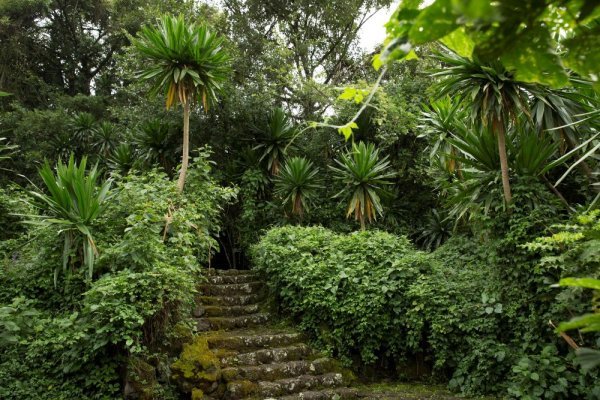
Near Kigali, Bugesera district has seen major reforestation projects turning degraded land into green parks. These areas are still under development but are already attracting eco-tourists for cycling, walking trails, and birdwatching.
4. Kigali Greenbelt & City Parks
Even the capital city is joining the reforestation movement. The Kigali Greenbelt project is planting trees and developing urban forest parks where visitors and residents can enjoy nature walks within the city. This shows that Rwanda’s eco-vision isn’t limited to national parks — it’s also about making cities greener.
🌍 Why Visit Rwanda’s Forest Parks?
-
Support Conservation: Entrance fees help fund reforestation and protect endangered species.
-
Community Empowerment: Many forest projects involve local communities, creating jobs and reducing poverty.
-
Unique Eco-Tourism: Beyond gorilla trekking, Rwanda offers forest hikes, birdwatching, and cultural exchanges.
-
Climate Action: By visiting, you support a country that is actively fighting climate change through nature-based solutions.
🌱 Tips for Travelers
-
Hire local guides — they share unique knowledge and your fees support community projects.
-
Visit during the dry seasons (June–September or December–February) for the best hiking conditions.
-
Respect the environment — avoid littering, stay on trails, and follow park regulations.
-
Combine visits — a trip to Nyungwe or Gishwati-Mukura can easily be paired with Lake Kivu adventures.
Rwanda’s reforestation journey is more than just an environmental success — it’s a story of resilience, innovation, and hope. Visiting the new and restored forest parks allows you to experience the green heart of Rwanda while directly contributing to its conservation mission.
So, next time you plan your trip, go beyond the famous gorillas — step into Rwanda’s reborn forests and witness a greener future in the making. 🌿