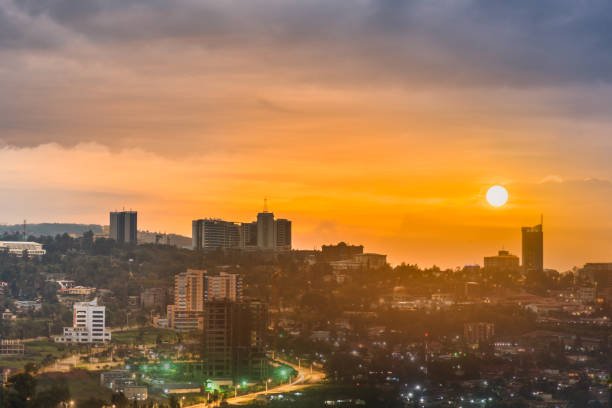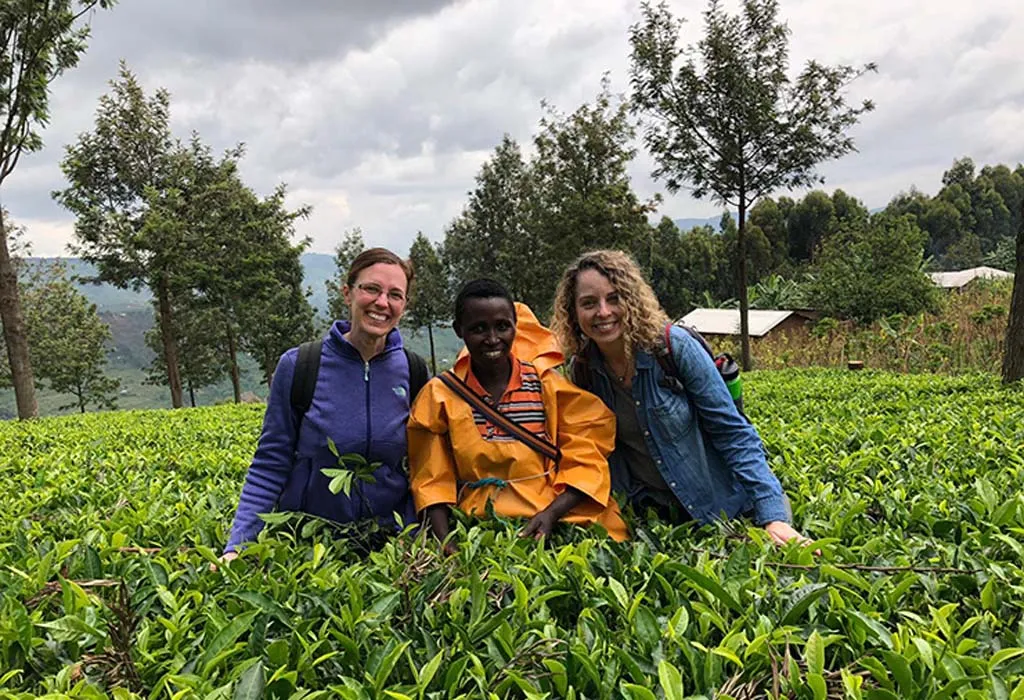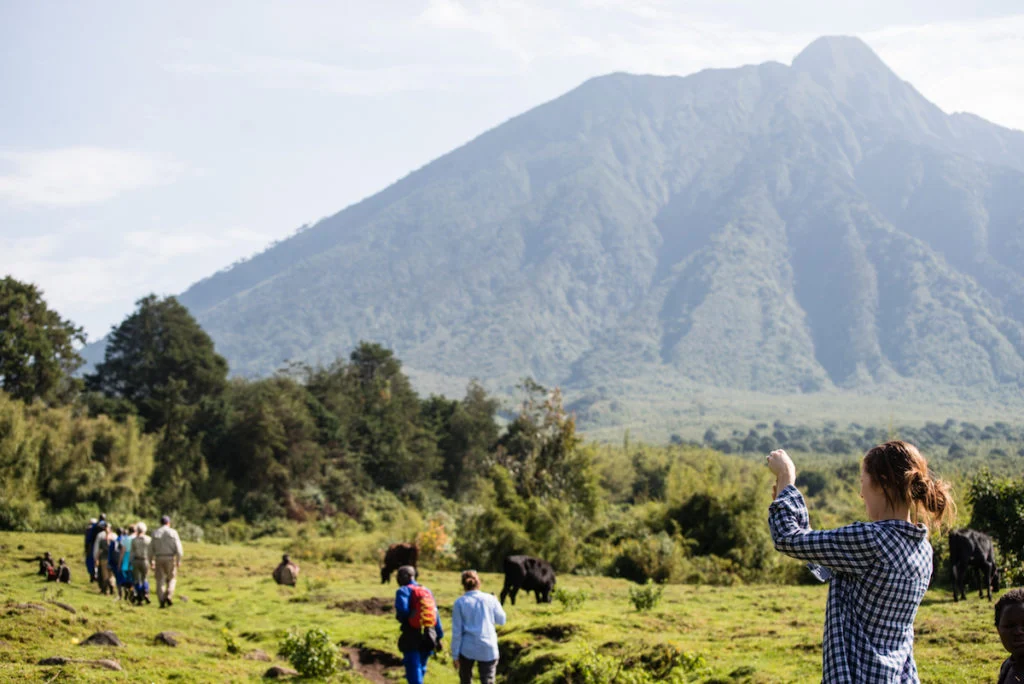
Traveling to Rwanda is an adventure of a lifetime—gorilla trekking in Volcanoes National Park, boating on Lake Kivu, and exploring Kigali’s vibrant city life. But while you’re planning safaris and cultural tours, there’s one important detail you shouldn’t overlook: travel insurance.
Whether it’s a sudden illness, lost luggage, or a delayed flight, travel insurance can make the difference between a small inconvenience and a stressful, expensive situation. Here’s everything you need to know about why travel insurance matters in Rwanda, and how it works.
Why Travel Insurance Matters in Rwanda
-
Healthcare Costs
-
Rwanda has good medical facilities, especially in Kigali, but treatment can be expensive for non-residents.
-
Many hospitals and clinics may ask you to pay upfront before receiving care. Insurance helps cover these unexpected costs.
-
-
Emergency Evacuation
-
If you’re trekking in Volcanoes National Park or hiking along the Congo Nile Trail and a serious accident happens, evacuation may be required.
-
Without insurance, emergency transportation to a specialized facility—or even another country—can cost thousands of dollars.
-
-
Trip Cancellations or Delays
-
Flight delays or cancellations happen. Insurance can cover extra accommodation, meals, or rebooking fees.
-
-
Lost or Stolen Belongings
-
Tourists sometimes misplace luggage, passports, or valuables. Insurance can help recover the costs.
-
-
Peace of Mind
-
Knowing you’re covered lets you relax and fully enjoy Rwanda’s beauty without constant “what if” worries.
-
How Travel Insurance Works in Rwanda
-
Buy It Before You Travel
-
Most insurance companies require you to purchase a policy before leaving your home country.
-
Some global providers (like Allianz, World Nomads, or SafetyWing) cover Rwanda specifically.
-
-
Carry Your Policy Information
-
Always keep a copy of your insurance card, policy number, and emergency contact number.
-
Save a digital copy in your email or phone for quick access.
-
-
Payment at Hospitals
-
In many Rwandan hospitals, tourists may need to pay upfront for medical services.
-
You can then submit receipts to your insurance company for reimbursement.
-
Some high-end policies offer direct payment arrangements with major hospitals like King Faisal Hospital in Kigali.
-
-
Coverage to Look For
-
Medical Expenses (hospitalization, doctor visits, prescriptions)
-
Emergency Evacuation & Repatriation
-
Trip Cancellations & Delays
-
Lost or Stolen Baggage
-
Adventure Activities (important if you’re trekking, biking, or doing water sports in Rwanda)
-
-
What’s Not Covered
-
Pre-existing medical conditions (unless declared and covered in advance)
-
High-risk sports not listed in your policy
-
Travel without valid visas or documents
-
Tips for Choosing the Right Travel Insurance
-
Check if Gorilla Trekking and Hiking Are Covered: Not all policies automatically cover adventurous activities.
-
Compare Plans: Some are cheaper but offer limited protection—make sure yours includes medical evacuation.
-
Consider Duration: Get coverage for your entire trip, from the day you leave until the day you return home.
-
Read the Fine Print: Always understand exclusions before purchasing.
Useful Contacts in Rwanda
-
King Faisal Hospital (Kigali): +250 788 123 000
-
Kigali University Teaching Hospital (CHUK): +250 788 303 305
-
Emergency Ambulance Line: 912
Keep these numbers alongside your insurance company’s emergency hotline.
Final Thoughts
Travel insurance might feel like an extra cost when planning your Rwanda trip, but it’s really an investment in your safety and peace of mind. From unexpected illnesses to flight delays or trekking accidents, it ensures you’re never left stranded.
With the right policy in hand, you can focus on what truly matters—soaking up Rwanda’s breathtaking landscapes, rich culture, and warm hospitality.