Traveling to Rwanda is an unforgettable experience—whether you’re trekking to see mountain gorillas, relaxing on the shores of Lake Kivu, or exploring Kigali’s vibrant culture. But even in paradise, getting sick can happen. The good news is that Rwanda has a growing healthcare system, modern hospitals, and plenty of ways for tourists to get help.
This guide will walk you through what to do if you start feeling unwell in Rwanda, from first steps to where to go for medical care.
1. Stay Calm and Assess Your Symptoms
Not every illness requires rushing to the hospital. Sometimes it’s just traveler’s tummy, mild dehydration, or jet lag. If your symptoms are mild:
-
Rest and drink plenty of water.
-
Take over-the-counter medicines you may have packed (like pain relievers or rehydration salts).
-
Monitor how your symptoms progress.
If symptoms get worse, don’t ignore them—seek medical care.
2. Know the Emergency Numbers
In Rwanda, the emergency medical services are available through:
-
Ambulance & Medical Emergency: Dial 912
-
Police Emergency Line: Dial 112 (they can also connect you to medical help)
Keep these numbers handy, especially if you’re traveling outside Kigali.
3. Visit a Hospital or Clinic
Rwanda has reliable healthcare facilities, especially in Kigali. Here are some options:
In Kigali (Capital City)
-
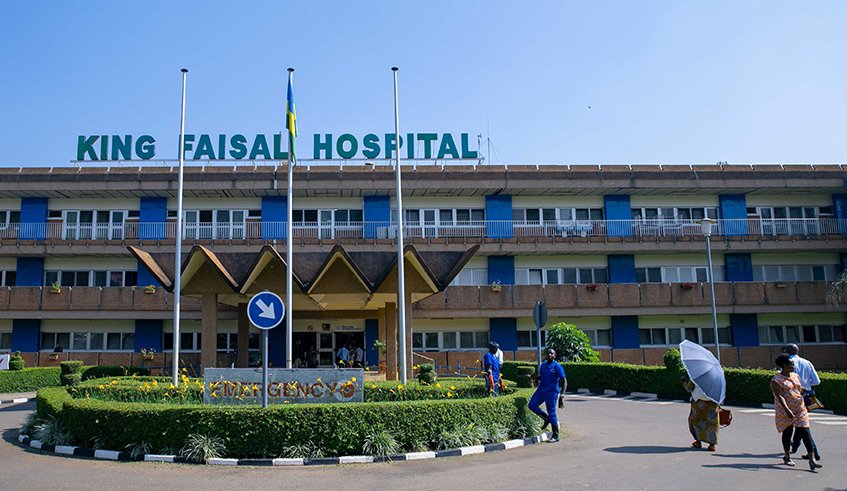
King Faisal Hospital – Rwanda’s most advanced hospital, with English-speaking staff and specialists.
-
Kigali University Teaching Hospital (CHUK) – Large public hospital with emergency and specialized services.
-
Polyclinique du Plateau – Private clinic popular with expats and tourists.
Outside Kigali
-
Musanze (near Volcanoes National Park): Ruhengeri Hospital and smaller clinics.
-
Gisenyi (near Lake Kivu): Gisenyi District Hospital and private clinics.
-
Huye/Butare (South): University Teaching Hospital of Butare (CHUB).
Tip: Hotels and tour operators often know the nearest good clinic and can help arrange transport.
4. Pharmacies and Getting Medicine
Pharmacies are common in Kigali and most towns. You’ll find both brand-name and generic medicines. Many pharmacists speak English or French, and they can help guide you if you need basic medication.
-
Look for signs that say “Pharmacie” or “Pharmacy”.
-
Some medicines may require a prescription from a doctor.
5. Travel Insurance Matters
Before visiting Rwanda, it’s smart to have travel health insurance. It covers:
-
Hospital treatment costs
-
Emergency evacuation (if needed)
-
Prescription medicine
Some hospitals in Rwanda require payment upfront, so having insurance makes the process easier. Keep your policy number and emergency contact details with you.
6. Language Help
While many Rwandan doctors and pharmacists speak English or French, you may sometimes need simple Kinyarwanda phrases:
-
“Ndwaye” – I am sick
-
“Nkeneye umuganga” – I need a doctor
-
“Mfite ububabare” – I am in pain
Even learning just a few phrases helps. Otherwise, ask your hotel staff or guide to assist.
7. Prevention Is the Best Medicine
To avoid getting sick in the first place:
-
Drink bottled or filtered water.
-
Be cautious with street food if you have a sensitive stomach.
-
Use mosquito repellent and sleep under a net if traveling outside Kigali.
-
Pack a small travel health kit with basics like painkillers, bandages, and hand sanitizer.
Final Thoughts
Getting sick on holiday isn’t fun, but Rwanda is well-prepared to help tourists in need. Whether it’s a quick pharmacy visit or hospital care, you’ll find support across the country. With travel insurance, local emergency contacts, and a little preparation, you can explore Rwanda with peace of mind.
So pack smart, stay healthy, and enjoy your adventure in the Land of a Thousand Hills!